Choosing The Best FD With Safer Returns And Loan Planning
The Best FD for any user depends on their savings goal, preferred tenure, interest payout choice, liquidity need, and risk comfort. Fixed deposits are commonly used by people who want stable returns, predictable maturity value, and lower market-linked volatility compared to equity-based products.
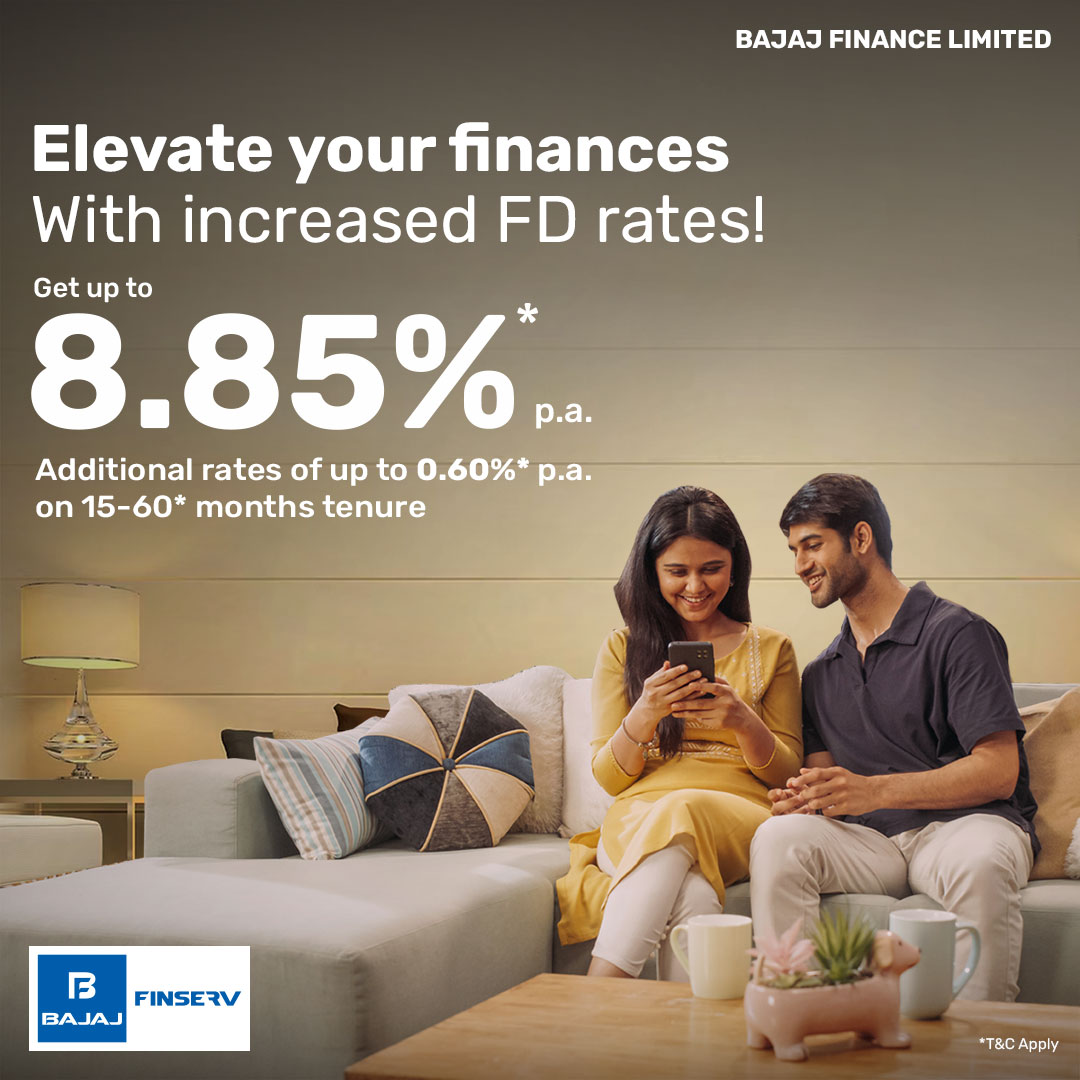
Some users may also compare an instant loan option during urgent cash needs, but planned savings through fixed deposits can help reduce unnecessary borrowing. Before selecting an FD, users should review interest rates, premature withdrawal rules, tax impact, bank credibility, and maturity timelines.
Start With The Purpose Of The FD
A fixed deposit should be selected based on the reason for saving. Different goals may need different tenure choices.
Common FD goals include:
- Emergency backup savings
- Short-term parking of funds
- Retirement income planning
- Child education planning
- Travel savings
- Wedding savings
- Senior citizen income
- Tax-saving investment
- Capital protection
- Regular interest income
When the purpose is clear, choosing the right tenure becomes easier.
Compare Interest Rates Carefully
Interest rate is one of the most important FD comparison points. A higher rate can improve maturity value, but users should also check the bank or institution offering it.
Before choosing an FD, review:
- Regular Citizen Rate
This is the basic rate offered for the selected tenure.
Senior Citizen Rate
Senior citizens may receive additional interest in many cases.
Tenure-Based Rate
Rates may differ for 7 days, 1 year, 3 years, or 5 years.
Special FD Rate
Some institutions may offer special tenure deposits.
Renewal Rate
The renewal rate may differ from the original booking rate.
Users should compare both rate and reliability before depositing money.
Choose The Right Tenure
FD tenure affects both returns and liquidity. A longer tenure may offer stability, while a shorter tenure may provide flexibility.
Tenure options may include:
- 7 days to 45 days
- 46 days to 90 days
- 91 days to 180 days
- 181 days to 1 year
- 1 year to 2 years
- 2 years to 3 years
- 3 years to 5 years
- 5 years and above
- Tax-saving FD tenure
- Special deposit periods
Users should avoid locking all money for a long period if they may need funds soon.
Understand Interest Payout Options
FDs may allow different interest payout choices. The right option depends on whether the user wants regular income or maturity growth.
Common payout options include:
- Monthly interest payout
- Quarterly interest payout
- Half-yearly payout
- Annual payout
- Cumulative payout
- Reinvestment option
- Maturity payout
- Senior citizen payout option
- Auto-renewal option
- Manual renewal option
A cumulative FD may suit long-term growth, while payout FDs may suit users who need periodic income.
Check Premature Withdrawal Rules
Users may need to break an FD before maturity during emergencies. This is why premature withdrawal rules should be checked before booking.
Important points include:
- Whether premature withdrawal is allowed
- Penalty charges
- Reduced interest rate
- Lock-in period
- Tax-saving FD restrictions
- Online closure option
- Partial withdrawal option
- Processing time
- Maturity adjustment
- Account credit timeline
Liquidity matters, especially when the FD is part of emergency savings.
Use FD Laddering For Better Flexibility
FD laddering means splitting money across different tenures instead of placing everything in one deposit. This can help users manage liquidity and reinvestment better.
An FD ladder may include:
- One short-term FD
- One medium-term FD
- One long-term FD
- Different maturity dates
- Different interest cycles
- Emergency deposit allocation
- Senior citizen deposit allocation
- Tax-saving FD, if needed
- Renewal planning
- Reinvestment review
This approach can reduce the risk of locking all funds at one rate or one maturity date.
Review Tax Impact
FD interest may be taxable as per applicable rules. Users should understand the tax treatment before estimating returns.
Tax review points include:
- Interest earned
- Tax deducted at source, if applicable
- Form submission rules, where applicable
- Senior citizen limits, where applicable
- Annual income impact
- Maturity value calculation
- Cumulative interest tracking
- Tax-saving FD lock-in
- Income tax slab relevance
- Statement download
Post-tax returns are more important than only the displayed interest rate.
Check Bank Or Institution Credibility
Safety matters when selecting an FD. Users should review the institution before depositing funds.
Credibility checks may include:
- Bank reputation
- Regulatory status
- Deposit insurance, where applicable
- Customer support quality
- Online service access
- Renewal process
- Premature closure support
- Statement availability
- Interest certificate access
- Complaint support
A slightly higher rate should not be the only reason for choosing an FD.
Avoid Common FD Mistakes
FDs are simple, but users can still make poor decisions if they do not check details.
Common mistakes include:
- Selecting only the highest rate
- Ignoring premature withdrawal rules
- Locking emergency funds for too long
- Not checking tax impact
- Forgetting maturity date
- Not comparing tenure rates
- Ignoring payout options
- Using auto-renewal without review
- Not downloading interest certificates
- Placing all savings in one FD
A careful review can make FD planning more useful.
Conclusion
Choosing the Best FD requires more than checking the highest interest rate. Users should compare tenure, payout frequency, premature withdrawal rules, tax impact, credibility, maturity value, and liquidity needs before booking a deposit.
An FD can support stable savings, but users should also review overall financial planning. Tools such as a personal loan calculator may help compare borrowing costs during urgent needs, while fixed deposits can help build planned savings and reduce dependency on last-minute credit.